
PRAUXE Journal · Fabric & Craftsmanship
What Is Garment Construction? How to Identify Quality Clothing
Garment construction is the engineering behind a finished piece of clothing. Fabric quality matters, but so do the pattern, seams, stitching, neckline, hems and finishing. This guide explains what to look for when evaluating a high-quality T-shirt or premium garment.
Quick Answer
Garment construction is how fabric is cut, assembled, stitched and finished into clothing. To judge quality, look beyond the label: inspect the fabric, seam consistency, stitch quality, neckline, hems, shape retention and finishing. GSM is useful for understanding fabric weight, but it is not a complete measure of garment quality.
Experience Premium Construction
Explore PRAUXE oversized essentials built around heavyweight cotton, structured silhouettes and considered finishing.
Shop the CollectionWhat Is Garment Construction?
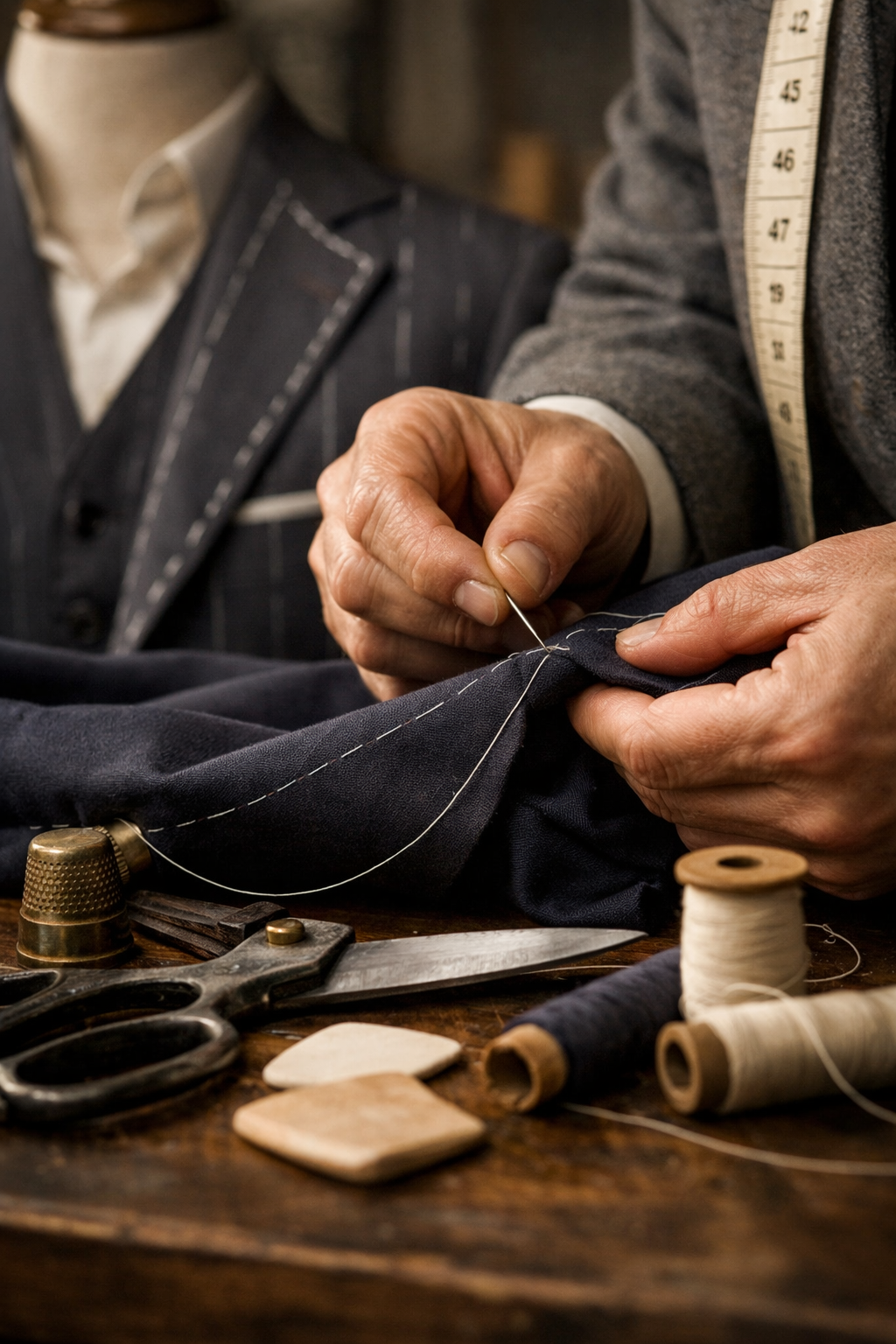
Garment construction describes the technical process used to transform fabric into a finished garment. It includes pattern development, fabric cutting, panel assembly, stitching, seam finishing, neckline construction, hems and final quality control.
Two T-shirts can use similar cotton fabric and still feel completely different because their patterns and construction are different. A good construction approach helps a garment maintain its intended shape, withstand repeated wear and deliver a cleaner fit.
The Main Elements of Garment Construction
Pattern & Fit
The pattern determines the proportions of the garment, including shoulder width, chest, sleeve shape, body length and overall silhouette.
Fabric
Fiber, yarn, knit structure, weight and finishing influence how the garment feels, drapes and behaves during wear.
Seams
Seams join garment panels. Consistent stitching and clean seam finishing help improve durability and appearance.
Neckline & Ribbing
A well-constructed neckline should sit consistently and recover its shape rather than becoming loose quickly.
Hems
Clean, even hems contribute to both durability and the visual finish of the garment.
Finishing
Final finishing includes thread trimming, pressing, labels, surface treatment and quality inspection before the garment reaches the customer.
Does GSM Determine Clothing Quality?
GSM means grams per square metre. It describes the weight of the fabric, not its overall quality. Higher-GSM fabric is often denser and can create a more structured hand feel, but quality also depends on the cotton, yarn, knitting method, finishing and construction.
| Approx. GSM | Typical Character | Common Use |
|---|---|---|
| 120–150 | Lightweight | Light summer tees and layering |
| 160–190 | Medium weight | Everyday T-shirts |
| 200–240 | Heavyweight | Structured premium tees |
| 250+ | Very heavyweight | Dense streetwear and specialty garments |
For a deeper explanation, read our heavyweight oversized collection and our guide to heavyweight cotton and GSM.
How to Check T-Shirt Stitching Quality
Stitching is one of the easiest construction details to inspect. Turn the garment inside out and examine the seams rather than judging only the exterior.
- Look for straight and consistent stitch lines.
- Check for skipped, loose or broken stitches.
- Inspect high-stress areas such as shoulders and armholes.
- Look for clean seam joins without excessive loose thread.
- Check whether the seam lies flat instead of twisting.
Stitch density can be useful when comparing garments, but there is no single stitch-per-inch number that automatically makes a garment premium. The correct construction depends on the fabric, seam type and intended use.
Why Neckline Construction Matters
The neckline is a high-visibility and high-use part of a T-shirt. A good neckline should sit evenly around the neck and recover after being stretched. Rib composition, attachment method, stitching and finishing all contribute to how it performs over time.
Simple quality test
Gently stretch the neckline and release it. A well-made neckline should show reasonable recovery rather than remaining visibly distorted.
Check the Hems and Seams
Look at the sleeve and bottom hems from both sides. They should appear even and intentional, with consistent stitching and no obvious puckering. Inside the garment, the seam finish should also look controlled rather than excessively messy.
- Even sleeve hems
- Consistent bottom hem
- Minimal puckering
- Secure thread ends
- Clean internal finishing
Why Garment Construction Matters for Oversized T-Shirts
Oversized clothing relies heavily on proportion. A wider body, dropped shoulder and larger sleeve require a pattern and construction method that support the intended silhouette.
Fabric weight can help create structure, but it works together with the pattern and construction. A heavy fabric with a poorly balanced pattern can still produce an awkward fit.
Compare the silhouettes in our oversized vs regular fit guide and learn how to style oversized T-shirts.
10-Point Quality Clothing Checklist
- Check the fabric composition.
- Understand the fabric GSM instead of judging weight by touch alone.
- Inspect stitching from the inside.
- Look closely at shoulder and armhole seams.
- Check neckline recovery.
- Inspect sleeve and bottom hems.
- Look for loose or skipped stitches.
- Assess whether the garment holds its intended shape.
- Check labels, finishing and overall presentation.
- Consider how the garment performs after washing, not just how it feels when new.
Garment Construction vs. Fast-Fashion Construction
Price, production speed and construction quality are separate concepts. A lower-priced garment can be well constructed, while an expensive garment is not automatically well made.
The better approach is to evaluate measurable details: fabric composition, construction consistency, finishing, fit, durability and performance after care. This makes quality easier to judge than relying on branding or price alone.
Looking for Structured Premium Essentials?
Explore PRAUXE oversized essentials designed around heavyweight cotton and a considered modern silhouette.
Explore PRAUXEFrequently Asked Questions
What is garment construction?
Garment construction is the process of cutting, assembling, stitching and finishing fabric to create a finished garment.
How can you tell if a T-shirt is high quality?
Examine the fabric, stitching, seams, neckline, hems, shape retention and finishing. Quality should be judged from the complete garment rather than one specification.
Does higher GSM mean better quality?
No. GSM measures fabric weight. Higher GSM can contribute to structure and density, but fiber quality, yarn, knitting, finishing and construction also influence performance and feel.
What should I look for inside a T-shirt?
Check seam consistency, thread security, clean finishing, shoulder and armhole construction and whether there are loose or skipped stitches.
Why does construction matter for oversized T-shirts?
Oversized silhouettes depend on proportion and structure. Pattern balance, fabric behaviour, seam placement and neckline construction all affect whether the finished garment looks intentional or shapeless.
Conclusion
Garment construction is the foundation connecting fabric, fit and durability. When evaluating a T-shirt, don't rely on GSM, price or branding alone. Look at the complete construction: pattern, fabric, seams, stitching, neckline, hems and finishing.
Understanding these details helps you make better clothing decisions and recognize why a genuinely well-constructed garment can feel different from an ordinary T-shirt.